
Whoa! This stuff can feel like juggling chainsaws. Seriously? Yep — and if you trade or hold anything more than spare-change, you need a no-nonsense workflow. I’m biased, but hardware wallets are the baseline. They force you to separate keys from the internet, which sounds obvious until you realize most people do somethin’ very risky with their private keys.
Short story: I lost a tiny position once because I trusted a browser extension. Oof. That sting made me rethink everything. Okay, so check this out—this is how I balance convenience for trading with ironclad transaction signing and sane portfolio oversight, without turning every trade into a military operation.
First: the split between hot and cold. Hot wallets are for convenience. Cold wallets are for custody. On one hand you want quick access to a DEX or an exchange. On the other hand you want to be able to prove ownership and move funds securely when needed. I keep a small hot wallet for day trading and a hardware device for everything else, especially long-term holdings.
Hardware wallets + trading: real-world workflow
Here’s what bugs me about the “trade fast” narrative: speed often trumps security. That’s how mistakes happen. So I made a compromise that actually works in daily life. Step back—no step-by-step download instructions here—just principles.
Use a dedicated hardware device for signing. Verify every address on the device screen. Don’t just click “approve” on your computer. Your machine can be compromised; the hardware device is your final gatekeeper. Seriously—glance at the tiny screen. Confirm token and amount. If anything looks wrong, cancel.
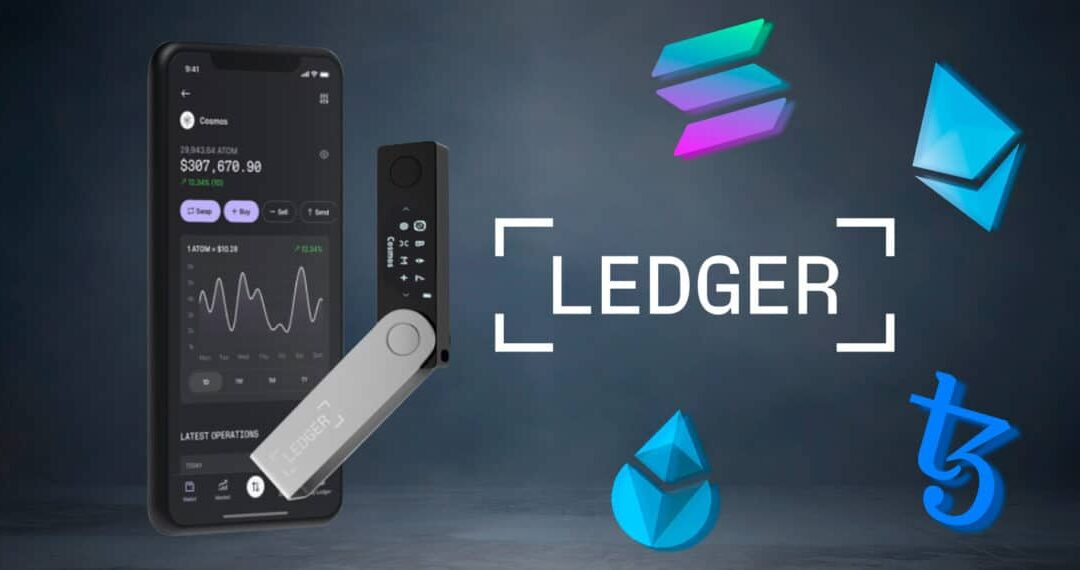
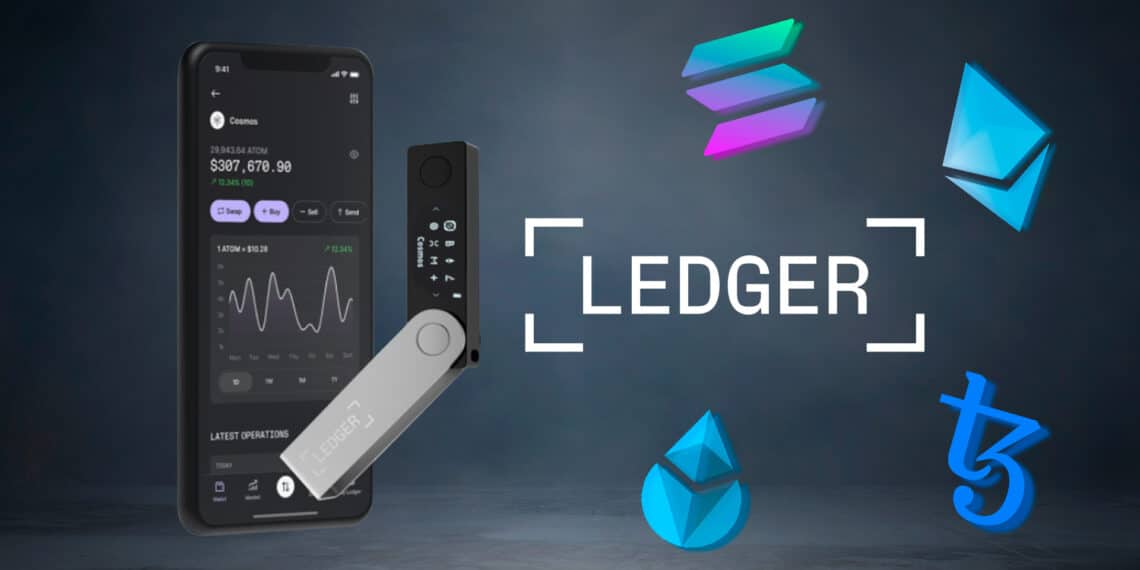
For portfolio management I use a mix of accountable software and a hardware-backed interface. Tools that talk to your device but don’t hold keys are ideal. If you want a polished experience, the Ledger integration ecosystem is solid — and the ledger live app is one of the more approachable ones for balancing portfolio views with secure signing on-device.
Why this matters: trading often needs speed. Signing on-device adds a tiny delay, but it’s the difference between an oops and a catastrophic loss. My instinct said “speed”, then reality hit—oops—and now I prefer a second’s pause to a lifetime of regret.
Transaction signing: what to verify (without being paranoid)
Short note: check the address. Again. Address-checking is boring, and it’s the most effective thing. Do it every single time. Don’t rely on clipboard checks alone. Hardware screens show the final destination. Use that.
Look at the token and the amount. Does the token symbol match the contract you expect? If you’re sending a wrapped token or interacting with a smart contract, confirm the contract address when possible. This reduces phishing risks and token-swap traps. On some devices you can also see the function being called—pay attention.
Consider a small test send when interacting with unfamiliar contracts. It’s an extra step but saves pain. On one hand it slows things down; on the other it prevents the “oh no” moments that make you wish for a time machine.
Portfolio management: mental models that help
Don’t try to memorize every coin. Use categories. For me it’s: cash allocation (stablecoins/fiat), core positions (BTC/ETH), high-conviction alts, and experimental plays. Rebalance on rules, not feelings. This part is less technical and more psychological—trading is emotional and the portfolio needs guardrails.
Use read-only connections when possible. Link your hardware wallet to portfolio trackers in read-only mode to get aggregate value without exposing keys. That way you can monitor performance without creating attack surfaces. Also: export your transaction history regularly and archive it off-device.
Multisig is underrated. For sizeable portfolios, split keys between devices or people you trust. It’s slightly more complex operationally, but the extra friction is worth it when there’s actual money on the line. I’m not gonna pretend it’s perfect—it’s early tech in places—but for higher balances it’s the way to sleep easier.
Operational security that actually fits life
Passwords matter. Use a password manager. Use unique, strong passwords and combine that with hardware-backed 2FA where possible. Paper backups of seed phrases should be stored securely and redundantly, ideally in separate locations. I’m not 100% sure of the perfect setup for everyone, but physically securing your recovery phrase is still very very important.
Firmware updates: do them, but do them carefully. Keep your hardware’s firmware current because updates often patch critical vulnerabilities. However—do the update from official sources and validate signatures. If it feels odd, pause and verify. (oh, and by the way… keep a backup plan in case an update temporarily bricks a device.)
Beware of browser extensions and mobile apps that ask for signing permissions. Not all requests are malicious, but many are sloppy. Limit approvals, and revoke allowances you no longer need. It’s low-effort and high-impact security hygiene.
When trading: tooling and mental checks
Use order books and limit orders when possible. Market orders are simple, but slippage and MEV can eat you alive in volatile markets. Try to educate yourself on fees and slippage and set guards. Also: split large trades into smaller tranches to reduce execution risk.
Automations are great—until they fail. If you run bots or scripts, keep keys offline and use signing services that require hardware confirmation. Test everything on testnets before deploying to mainnet. Trust but verify. My instinct used to be “automate everything”—now it’s “automate cautiously.”
Quick FAQs
Q: Can I trade quickly with a hardware wallet?
A: Yes. It adds a confirmation step but modern workflows let you prepare transactions on your computer and sign them on-device. The extra second is worth it. You get speed without sacrificing custody.
Q: Is multisig necessary?
A: Not for small hobby balances. For meaningful sums, multisig reduces single-point-of-failure risk. It’s an operational lift but it pays off if something goes sideways.
Q: What about mobile trading apps?
A: Handy, but treat them like hot wallets. Keep only what you need there. For larger holdings, use a hardware wallet or a multisig setup. Always verify transactions on the signing device.
Wrapping up, and I know that sounds cliché—your security posture is a set of habits, not a single tool. Build simple, repeatable rituals: verify addresses on-device, use hardware-first signing, back up recovery data securely, and treat portfolio rules as non-negotiable. My approach isn’t perfect. It shifts as tools improve. But it keeps me trading, signing, and sleeping a lot better. Really.